
In This Article
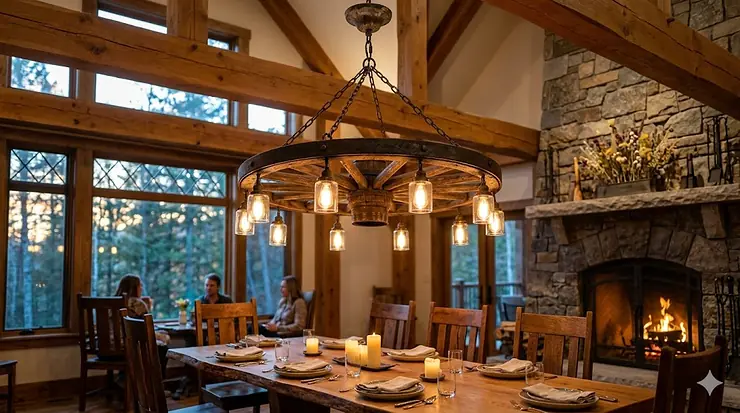
If you’ve been scrolling through home decor inspiration lately, you’ve probably noticed that rustic wagon wheel chandelier designs are everywhere — and for good reason. These statement fixtures blend the raw authenticity of frontier aesthetics with surprisingly sophisticated lighting engineering, creating focal points that can anchor an entire room’s design language.
What most people don’t realize is that a rustic wagon wheel chandelier isn’t just about aesthetics. The circular frame design actually distributes light more evenly across large spaces compared to traditional linear chandeliers, making them particularly effective in rooms with vaulted ceilings or open floor plans. According to lighting design principles from the Department of Energy, circular fixtures that distribute light sources across 360 degrees create more balanced illumination than directional alternatives. I’ve watched countless homeowners struggle with dark corners in their dining rooms or entryways, only to discover that the wagon wheel’s 360-degree light distribution solves the problem they didn’t even know how to articulate.
The current market offers everything from compact 28-inch models perfect for breakfast nooks to massive 60-inch statement pieces that command attention in two-story foyers. Understanding which size, style, and configuration matches your specific needs requires looking beyond marketing photos — we’re talking about ceiling height ratios, bulb wattage calculations, and installation weight limits that most product listings conveniently gloss over.
Quick Comparison Table
| Product | Size | Lights | Best For | Price Range |
|---|---|---|---|---|
| FOVICY 60-Inch | 60″ diameter | 18 lights | High ceilings, large spaces | $400-$500 |
| Wellmet Lantern Style | 34.5″ diameter | 6 lights | Western themed rooms | $250-$350 |
| NSRCE 28-Inch | 28″ diameter | 6 lights | Small dining rooms, kitchens | $150-$200 |
| Benkut 31-Inch | 31″ diameter | 12 lights | Mid-size spaces, entryways | $180-$250 |
| Wellmet 38-Inch Black | 38″ diameter | 12 lights | Modern farmhouse aesthetics | $200-$280 |
| FOVICY 40-Inch Wood | 40″ diameter | 12 lights | Traditional farmhouse style | $280-$380 |
| Wellmet 2-Tier | 38″ diameter | 20 lights | Statement pieces, foyers | $320-$420 |
Looking at this comparison, the sweet spot for most homes falls in the 30-40 inch diameter range with 8-12 lights. If you’re working with standard 9-foot ceilings, anything larger than 40 inches starts to feel overwhelming unless you’re lighting a genuinely massive space. The budget options under $200 often sacrifice adjustable chain length, which matters more than you’d think when you’re trying to get the proportions right after installation.
💬 Just one click — help others make better buying decisions too! 😊
Top 7 Rustic Wagon Wheel Chandeliers: Expert Analysis
1. FOVICY 60-Inch Wood Wagon Wheel Chandelier with Bubble Glass Shade
This FOVICY 60-Inch model represents the upper tier of residential wagon wheel chandeliers, and the 44-pound weight tells you immediately that we’re talking about solid oak construction, not the hollow metal-with-wood-texture alternatives flooding the market. The 18-light configuration with bubble glass shades creates what lighting designers call “diffused ambient illumination” — meaning the seeded glass texture breaks up harsh LED light into a warmer, more organic glow that doesn’t create the stark shadows you’d get from clear glass.
The hemp rope-wrapped metal rods aren’t just decorative; they actually reduce the visual harshness of exposed metal framework, creating a softer transition between the rustic wood and industrial elements. What the spec sheet won’t tell you is that at 60 inches, this chandelier requires minimum 12-foot ceilings to maintain proper proportions — hang it lower and it dominates the room rather than complements it.
Customer feedback consistently highlights the hand-blown seeded glass quality, though several buyers mention the assembly process takes 90-120 minutes with two people. The E26 bulb base means you have flexibility for LED, incandescent, or vintage Edison bulbs, which matters when you’re trying to match the color temperature to your existing lighting scheme.
Pros:
✅ Solid oak construction outlasts metal-frame alternatives by years
✅ 18 lights provide exceptional illumination for large spaces
✅ Hand-blown bubble glass creates authentic artisan aesthetic
Cons:
❌ 44-pound weight requires professional installation
❌ Extended assembly time can be frustrating
This falls in the $400-$500 range and targets homeowners with genuine high ceilings who need serious lighting power. If you’re illuminating anything under 300 square feet, you’re overbuying.
2. Wellmet Western Wagon Wheel Chandelier with Antique Rustic Lanterns
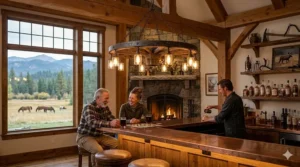
The Wellmet Lantern Style chandelier takes a different approach by incorporating six kerosene-lamp-inspired glass housings that evoke 19th-century frontier lighting. At 34.5 inches diameter, this hits the perfect middle ground for standard dining rooms where a 60-inch behemoth would feel oppressive. The key differentiator here is the lantern enclosures — they concentrate light downward more effectively than open-bulb designs, making this particularly suited for task lighting over dining tables.
The wrought iron chain and distressed wood finish create an authentic aged appearance without the maintenance headaches of genuinely reclaimed materials. What most buyers overlook is the E12 bulb base specification, which limits your maximum wattage to 60W per socket — fine for LED bulbs, but if you’re chasing that warm Edison glow, you’ll need to carefully select bulbs that deliver adequate lumens at lower wattages.
Customers specifically praise the dimmer compatibility, though you’ll need to purchase both dimmable bulbs and a compatible switch separately. The 43.3-inch adjustable chain gives you significant installation flexibility, which becomes crucial when you’re working with sloped or vaulted ceilings.
Pros:
✅ Lantern design focuses light downward for better task lighting
✅ Authentic vintage aesthetic without reclaimed wood premium
✅ Dimmer compatible for adjustable ambiance
Cons:
❌ E12 base limits bulb selection
❌ Smaller scale may underwhelm in large spaces
Priced in the $250-$350 range, this serves the homeowner seeking western style chandelier authenticity without committing to the scale and investment of premium models.
3. NSRCE 28-Inch Wagon Wheel Chandelier
Don’t let the compact 28-inch diameter fool you into thinking this NSRCE model is a compromise choice. For breakfast nooks, small dining areas, or kitchen islands, this scale actually performs better than oversized alternatives that visually overwhelm intimate spaces. The six-light configuration with clear glass shades rather than seeded glass creates a cleaner, more contemporary take on ranch house lighting aesthetics.
The matte black finish with rustic wood accents bridges the gap between industrial and farmhouse styles, making this particularly versatile for spaces that mix design languages. What you’re trading for the lower price point (around $150-$200) is adjustable chain length — you get a fixed drop, so ceiling height considerations become non-negotiable before purchase.
Customer reviews consistently mention easy installation, with most reporting 30-45 minute single-person assembly. The E26 base accommodates standard bulbs, and at 6 lights with recommended 40W maximum per socket, you’re looking at 240W total potential — adequate for spaces under 120 square feet.
Pros:
✅ Perfect scale for small to mid-size spaces
✅ Contemporary clear glass works with modern aesthetics
✅ Straightforward installation process
Cons:
❌ Fixed chain length limits ceiling height flexibility
❌ Six lights may underlight larger rooms
This targets budget-conscious buyers or those furnishing secondary spaces like guest houses or finished basements where investment-grade fixtures feel excessive.
4. Benkut Farmhouse Wagon Wheel Chandelier 31-Inch
The Benkut 31-Inch hits an interesting market position with its 12-light configuration in a relatively compact 31-inch frame. This concentration of light sources means you’re getting significantly more illumination per square inch of chandelier diameter compared to larger, more spaced-out designs. For entryways or foyers where you need serious brightness without overwhelming the vertical space, this ratio delivers.
The black rustic finish uses what manufacturers call “wood-texture metal” — it’s not actual wood, but powder-coated steel with embossed grain patterns. This matters because you’re getting the aesthetic of cabin aesthetic fixtures without the seasonal expansion/contraction issues that plague genuine wood in humid climates. The trade-off is tactile authenticity; up close, the texture feels industrial rather than organic.
Buyers specifically call out the E12 candelabra base sockets, which limit you to smaller bulbs but also create that classic candle-style silhouette that defines traditional lodge style lighting. At 12 lights with 60W maximum each, you’re working with 720W potential — enough to serve as primary lighting in rooms up to 200 square feet.
Pros:
✅ High light density for concentrated illumination
✅ Metal construction eliminates wood maintenance
✅ Candle-style aesthetic suits traditional interiors
Cons:
❌ Powder-coated texture lacks authentic wood feel
❌ E12 bulbs limit vintage Edison options
In the $180-$250 range, this serves the practical homeowner prioritizing durability and brightness over material authenticity.
5. Wellmet Large Black Wagon Wheel Chandelier 38-Inch
Wellmet’s 38-inch black chandelier represents the modern farmhouse evolution of cowboy themed chandelier design. The matte black finish eliminates the rustic wood elements entirely, creating a cleaner silhouette that works in contemporary spaces where traditional wagon wheels would clash. The 12-light E12 configuration maintains the classic candle aesthetic while the industrial metal framework keeps things decidedly 21st century.
What distinguishes this model is the adjustable 71-inch chain — significantly longer than most competitors, giving you unusual installation flexibility for rooms with high or vaulted ceilings. This matters enormously; I’ve seen installations where 3-4 feet of chain adjustment meant the difference between “statement piece” and “awkward focal point.”
Customer feedback highlights the sloped ceiling compatibility, with several buyers successfully installing on 15-20 degree angles. The challenge mentioned consistently is the parts-by-parts packaging — every spoke and connection arrives separately, turning assembly into a 90-minute puzzle that absolutely requires two people and adequate floor space for organization.
Pros:
✅ Modern aesthetic suits contemporary interiors
✅ Extended 71-inch chain accommodates high ceilings
✅ Sloped ceiling compatibility expands installation options
Cons:
❌ Complex assembly requires significant time investment
❌ Black finish shows dust more readily than wood tones
Priced around $200-$280, this bridges the gap between traditional rustic and modern industrial aesthetics for homeowners with evolving design preferences.
6. FOVICY 40-Inch Wood Wagon Wheel Chandelier
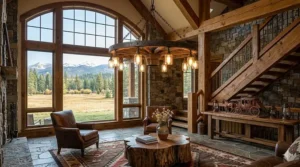
This FOVICY 40-inch model with 12 lights represents what I consider the “Goldilocks zone” for most residential applications — not too large, not too small, with enough light sources to serve as primary illumination without creating a bulb-replacement maintenance nightmare. The solid wood construction with hemp rope accents delivers authentic frontier home decor aesthetics without venturing into theme-park territory.
The seeded glass shades create what lighting professionals call “visual interest through texture” — essentially, the bubbles and imperfections in the glass catch and refract light in unpredictable ways, adding movement and depth that flat glass cannot achieve. This becomes particularly noticeable at dawn and dusk when changing natural light angles create constantly shifting patterns.
What separates this from budget alternatives is the E12 socket quality — reviewers consistently mention that the threaded sockets maintain tension over time, preventing the bulb-loosening issues that plague cheaper fixtures after 6-12 months. The 39-inch adjustable chain works for standard 8-10 foot ceilings, though you’ll want to calculate your drop carefully; the chandelier itself measures 34.6 inches high, meaning total installed height can approach 74 inches.
Pros:
✅ 40-inch diameter fits most residential spaces perfectly
✅ Solid wood construction with quality socket engineering
✅ Seeded glass creates dynamic lighting effects
Cons:
❌ Mid-range price may stretch budget-conscious buyers
❌ 12 bulbs increase ongoing replacement costs
In the $280-$380 range, this targets the homeowner making a considered, long-term lighting investment rather than a temporary decorating solution.
7. Wellmet Black Wagon Wheel Chandelier 2-Tier
The Wellmet 2-Tier design introduces vertical dimension to the traditional wagon wheel silhouette, creating what designers call “visual weight” that makes this particularly effective in spaces with high ceilings where single-tier models can feel insignificant. The 20-light configuration across two 38-inch diameter rings generates exceptional illumination — we’re talking 1200W potential with standard 60W bulbs, enough to serve as primary lighting in rooms exceeding 300 square feet.
The two-tier structure solves a common problem with large chandeliers: uniform light distribution. By stacking light sources vertically, you reduce the harsh shadows that plague single-plane fixtures while creating depth that draws the eye upward. This becomes especially valuable in entryways or foyers where you’re trying to make the space feel taller and more expansive.
Customer feedback consistently mentions the installation challenge — at 43.3 inches total height plus chain, you’re working with a fixture that requires genuine ceiling height (minimum 10-11 feet) and two people for safe installation. The matte black finish across both tiers maintains visual cohesion, though several buyers note that the lower tier attracts more dust accumulation due to updraft from the upper lights.
Pros:
✅ Two-tier design creates architectural presence
✅ 20 lights deliver exceptional illumination
✅ Vertical stacking improves light distribution
Cons:
❌ Requires high ceilings to avoid overwhelming space
❌ Complex installation demands professional help
Priced in the $320-$420 range, this serves homeowners with genuinely large spaces who need lighting that commands attention as a primary design element.
How to Install Your Wagon Wheel Chandelier: What The Instructions Don’t Tell You
The installation manuals that come with rustic wagon wheel chandeliers consistently omit the practical details that determine whether your fixture looks intentional or awkward. First critical consideration: the weight-to-ceiling-box ratio. Most standard electrical boxes rate for 50 pounds maximum, but many wagon wheel chandeliers — especially solid wood models — push or exceed this limit. If you’re installing anything over 40 pounds, you need a fan-rated ceiling box anchored directly to a ceiling joist, not just drywall anchors.
Chain adjustment creates more variables than most people anticipate. The general rule suggests hanging your chandelier 30-34 inches above a dining table surface, but this assumes standard 8-foot ceilings. For every foot of additional ceiling height, add 3 inches to your drop. In two-story foyers, you’re often working with 18-20 foot ceilings where the chandelier should hang at eye level from the second-floor perspective — typically 8-9 feet from the floor, not higher.
The assembly sequence matters enormously. Attach all outer spokes first, working in a star pattern to maintain frame tension. Only after the structural framework is complete should you install glass shades or decorative elements. I’ve watched people try to build these fixtures linearly (one spoke fully finished before moving to the next) and wonder why nothing aligns properly — the wagon wheel design relies on balanced tension across all spokes simultaneously.
Bulb selection influences both aesthetic and practical outcomes. If you’re using dimmable functionality, you need bulbs specifically labeled “dimmable” — not all LEDs respond predictably to dimmer switches. For authentic period aesthetics, vintage Edison bulbs in the 2200-2400K color temperature range create warm amber glows. Modern bright white LEDs (4000K+) completely transform the fixture’s character, making rustic elements appear jarring rather than cohesive.
Styling Your Space: Beyond Basic Installation
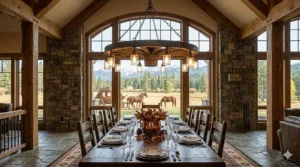
Most people treat wagon wheel chandeliers as plug-and-play solutions, but the fixtures that truly transform spaces involve coordinated design thinking that extends beyond the chandelier itself. Wall color temperature dramatically impacts how rustic lighting reads in a room. Against stark white walls, even authentic wood wagon wheels can appear costume-like, while cream, beige, or warm gray backgrounds create the depth that makes these fixtures feel integrated rather than imposed.
The furniture beneath your chandelier establishes a crucial relationship. Round chandeliers work best over rectangular dining tables because they create visual contrast — round over round feels redundant, while round over rectangle creates pleasing geometry. For tables seating 6-8 people, your chandelier diameter should measure approximately one-third to one-half your table width. A 60-inch table pairs beautifully with a 30-40 inch chandelier; overshooting this ratio makes the fixture feel aggressive rather than complementary.
Secondary lighting layers determine whether your wagon wheel serves as primary illumination or decorative accent. Effective interior design, as outlined by Marymount University’s lighting design program, relies on layered lighting that combines ambient, task, and accent sources rather than depending on a single overhead fixture. In dining rooms, wall sconces at 60 inches height create ambient fill that reduces the harsh shadows common with single-source overhead lighting. In living rooms with high ceilings, floor lamps in opposite corners balance the overhead focus, preventing the tunnel-vision effect where all attention concentrates upward.
Seasonal adjustments matter more than most homeowners anticipate. Summer months with longer daylight hours expose how your chandelier interacts with natural light — fixtures that look perfect at night can appear dull or competing during daytime. Winter brings the opposite challenge, with artificial lighting doing heavier lifting. Installing a quality dimmer switch ($50-80 investment) transforms a static fixture into an adaptable lighting system that responds to both daily and seasonal variations.
Rustic vs. Industrial: Understanding Design Language Distinctions
The terms “rustic” and “industrial” get used interchangeably in wagon wheel chandelier marketing, but they represent fundamentally different aesthetic approaches that produce distinct spatial experiences. Rustic design emphasizes organic materials in their natural state — visible wood grain, hemp rope wrapping, hand-forged iron details that celebrate imperfection. The goal is creating warmth through authenticity, where materials tell stories about their origins.
Industrial design strips away ornamentation in favor of functional exposure — raw metal frameworks, exposed bulbs, matte black powder coating that prioritizes durability over decoration. Where rustic asks “how can we make this feel handcrafted,” industrial asks “how can we reveal the underlying engineering.” The confusion arises because many contemporary wagon wheel chandeliers blend both languages, using wood-textured metal (industrial material, rustic aesthetic) or distressed finishes on modern frameworks.
Your existing interior elements determine which approach works better. Homes with exposed wood beams, reclaimed barn doors, or shiplap walls naturally complement rustic wagon wheels with genuine wood construction and warm finishes. Spaces featuring concrete countertops, stainless steel appliances, or leather furniture often benefit from industrial interpretations with matte black metal and geometric simplicity. Mixing languages becomes problematic when you introduce elements that compete rather than complement — a heavily distressed rustic chandelier in a sleek modern kitchen creates cognitive dissonance rather than intentional contrast.
Color temperature in your bulb selection amplifies or moderates these distinctions. Research from interior design educational institutions demonstrates that warm amber bulbs (2200-2700K) push fixtures toward rustic territory regardless of construction materials, while cool white bulbs (3500K+) pull even wood-heavy designs toward industrial territory. This gives you surprising flexibility; the same chandelier can read differently based solely on your bulb choice, making this the easiest and cheapest way to adjust your design language after installation.
Size Matters: Calculating Your Perfect Chandelier Diameter
The most common wagon wheel chandelier mistake isn’t choosing the wrong style — it’s choosing the wrong size. Interior designers use a surprisingly simple formula that most homeowners never encounter: add your room’s length and width in feet, then convert that sum to inches. A 12-foot by 14-foot dining room (26 feet total) suggests a 26-inch chandelier diameter. This provides a starting baseline, not a rigid rule.
Ceiling height modifies this calculation significantly. For standard 8-9 foot ceilings, use the formula as-is. For 10-12 foot ceilings, add 6-10 inches to the suggested diameter. Above 12 feet, you’re in custom territory where proportions depend more on visual weight than mathematical formulas — this is where professional designer consultation often proves valuable rather than wasteful.
Table relationships create additional constraints. If your chandelier hangs over a dining table, the fixture diameter should not exceed the table width minus 12 inches. A 48-inch table can accommodate a maximum 36-inch chandelier before you risk guests bumping their heads on standing or chandelier arms extending beyond table edges. Circular tables add complexity; their visual mass differs from rectangular tables of equal width, often supporting chandeliers 3-4 inches larger than formula suggestions.
Open floor plans without defined ceiling boundaries require different thinking. In great rooms where dining, living, and kitchen areas flow together, your chandelier defines spatial boundaries rather than fills predetermined zones. Here you often want slightly undersized fixtures (15-20% below formula suggestions) to avoid the fixture claiming too much visual territory and making the space feel smaller than its actual square footage.
Budget vs. Premium: Where Quality Differences Actually Matter
The rustic wagon wheel chandelier market spans from $130 impulse purchases to $800+ investment pieces, and understanding where that price differential lives helps you spend money where it actually improves long-term satisfaction. The most significant quality divider isn’t aesthetic — it’s socket engineering. Budget fixtures ($130-200) typically use stamped metal sockets with spring-tension bulb contacts. These work perfectly for 6-12 months, then begin loosening, causing bulbs to flicker or lose connection entirely.
Premium fixtures ($350+) invest in machined brass sockets with deeper threading and better contact pressure. This sounds trivial until you’re standing on a ladder every three months retightening bulbs, wondering why your dining room light flickers during dinner parties. The $150 upfront difference translates to years of maintenance-free operation — that’s not subjective quality, that’s measurable reliability.
Frame construction reveals itself only during assembly. Budget wagon wheels arrive with thin-gauge metal (18-20 gauge) that flexes during installation, making spoke alignment frustratingly difficult. Premium models use 14-16 gauge steel or solid wood, maintaining rigid geometry throughout assembly. If you’ve ever fought a bicycle wheel that won’t stay true, you understand this challenge — thin metal concentrates stress at connection points, eventually leading to permanent deformation.
Glass quality becomes apparent when you’re cleaning or replacing shades. Budget seeded glass often uses molded polymer with embedded texture that looks acceptable from 10 feet but plasticky up close. Hand-blown glass (premium fixtures) creates authentic bubble patterns with thickness variations that catch light dynamically rather than statically. This matters in rooms where you view the fixture from multiple angles and distances throughout the day.
Chain and mounting hardware quality determines installation security and long-term safety. Budget fixtures include zinc-plated chain that develops surface rust in humid climates within 18-24 months. Premium fixtures use powder-coated or stainless steel chain rated for twice the fixture weight, plus larger mounting plates (6-inch vs. 4-inch diameter) that distribute load across more ceiling surface area. When you’re hanging 40+ pounds overhead, this isn’t decorative — it’s structural engineering.
Common Installation Mistakes That Ruin Great Fixtures
The installation process determines whether your carefully selected wagon wheel chandelier becomes a showpiece or a regret, and certain mistakes appear so consistently that they deserve explicit warning. First and most common: inadequate ceiling support. Homeowners see electrical boxes already installed and assume they’re adequate, not realizing most builder-grade boxes rate for standard light fixtures (15-25 pounds), not wagon wheel chandeliers (30-50+ pounds). If you can move your existing box by hand pressure, it’s anchored only to drywall, not joists — this fails eventually, usually catastrophically.
Chain length misjudgments create expensive do-overs. Measuring from ceiling to desired chandelier height seems straightforward, but people consistently forget to account for the chain attachment hardware (4-6 inches), the chandelier’s own height (usually 20-40 inches), and room for electrical connection slack (6-8 inches). A chandelier you wanted to hang 30 inches above your table suddenly hangs at 38 inches, requiring either ceiling box relocation or custom chain shortening — both expensive corrections.
Bulb wattage miscalculations happen when people assume more watts equals better lighting. Most wagon wheel chandeliers specify maximum 40-60W per socket, but this was written for incandescent bulbs. Modern LEDs produce equivalent light at 8-12W, meaning if you install maximum-rated LEDs, you’re generating 5-6 times the intended lumens. Your rustic chandelier becomes a interrogation room spotlight, completely destroying the warm ambient atmosphere you purchased it to create. Start with lower-wattage LEDs (25-40W equivalent) and increase only if genuinely needed.
Dimmer switch incompatibility creates expensive troubleshooting cycles. Not all dimmers work with all bulb types — LED-compatible dimmers use different circuitry than incandescent dimmers, and installing mismatched components causes flickering, buzzing, or complete failure. The $18 basic dimmer from your local hardware store likely won’t work with modern LED bulbs; you need a dimmer specifically labeled for LED compatibility, usually $35-60 for quality units that won’t buzz or hum during operation.
FAQ Section
❓ How do I choose the right rustic wagon wheel chandelier size for my dining room?
❓ Can I install a wagon wheel chandelier on a sloped ceiling?
❓ What's the difference between E12 and E26 bulb bases in wagon wheel chandeliers?
❓ How much weight can a standard ceiling box support for chandelier installation?
❓ Should I use LED or incandescent bulbs in my rustic wagon wheel chandelier?
Conclusion: Choosing Your Perfect Statement Piece
The rustic wagon wheel chandelier market in 2026 offers unprecedented variety, from budget-friendly options around $150 to investment pieces approaching $500, each serving distinct needs and spaces. What separates successful installations from regrettable ones isn’t always spending more — it’s matching fixture characteristics to your specific room dimensions, ceiling height, and design language requirements.
For most standard dining rooms with 8-10 foot ceilings, the 30-40 inch diameter range with 8-12 lights delivers optimal results without overwhelming the space or your budget. High-ceiling foyers and great rooms justify the investment in 48-60 inch statement pieces that create architectural presence matching the scale of their surroundings. Compact spaces like breakfast nooks or kitchen islands perform better with 24-28 inch fixtures that provide focused lighting without visual clutter.
The distinction between authentic wood construction and wood-textured metal frameworks becomes meaningful based on your maintenance expectations and climate conditions. Genuine wood brings tactile warmth but requires occasional conditioning in humid environments. Powder-coated metal delivers the aesthetic with zero maintenance, ideal for busy households or vacation properties where seasonal neglect is likely.
Installation investment — whether DIY or professional — determines long-term satisfaction as much as the fixture itself. Proper ceiling box anchoring, accurate chain length calculation, and compatible dimmer switches transform a decent chandelier into an integrated lighting system that adapts to your needs throughout changing seasons and daily use patterns.
The fixtures reviewed here represent proven performers with consistent customer satisfaction across diverse applications. Your perfect choice depends less on which model scores highest in abstract rankings and more on which specifications align with your measurable room dimensions, electrical infrastructure, and authentic design preferences — not the staged photos that initially caught your attention.
Recommended for You
- 7 Best Wrought Iron Chandelier Rustic That Transform Your Home (2026)
- 7 Best Rustic Wood Beam Chandeliers That Transform Spaces 2026
- 7 Best Rustic Chandeliers for 2026: Transform Your Space
Disclaimer: This article contains affiliate links. As an Amazon Associate, I earn from qualifying purchases. If you purchase products through these links, we may earn a small commission at no additional cost to you.
✨ Found this helpful? Share it with your friends! 💬🤗
